"eating disorders", "emily" Emily Ho "eating disorders", "emily" Emily Ho

National Eating Disorders Awareness Week: My Story
This is National Eating Disorders Awareness Week, and while the name doesn't roll off the tongue, it's such an important time to really talk about something that usually carries such stigma but is really pervasive in society.


In the United States, 20 million women and 10 million men suffer from a clinically significant eating disorder at some time in their life, including anorexia nervosa, bulimia nervosa, binge eating disorder, or other specified feeding or eating disorder (OSFED).

I had no idea that I had one.

I had been worried about my weight since I was 5, when I started learning my mom's dieting ways. I thought that battling being legitimately overweight didn't have anything to do with an eating disorder. You could SEE that I didn't have problem with eating food, right? But you couldn't see it. Appearances can be extremely deceiving. Throughout the years, I restricted, binge exercised, and binge ate.

I didn't really understand what binge eating meant, I just told myself that I had no self control and was lazy and ate too much. The turning point came when I could understand:

Eating disorders are serious illnesses, not lifestyle choices. 


Thanks to ongoing therapy and education, it's been about 3 years since I last binged, but it's something that never goes away. Binge Eating Disorder (BED) is just one of several types of eating disorders. My hope is that by talking about personal experiences, we can start talking about it instead of judging others and keeping quiet.

More of my story can be found at Ladies' Home Journal online. To learn more about eating disorders or to find help, visit NEDAwareness.org.
Read More

Rare Diseases: Together We Are Strong

As many of you know, since September I have been taking a break from HerKentucky to spend time with my two year old daughter, Katherine Belle. In the meantime, I have started a new blog with my husband, Hope For Katherine Belle, to document our journey after receiving a phone call on Friday, August 30, 2013, that forever changed our lives.  This was a call from a neurologist telling us our daughter likely has a rare and progressive genetic disease.  Please take a moment to read our posts, including "Hope. Faith. Love.," "Death and Resurrection," "Dance! Dance!" and "Coping and Advocacy."  
This Friday, February 28, 2014, is “Rare Disease Day.” One in every ten people will suffer from a “rare” disease at some point during his or her life. Why, then, do we call them “rare?


The National Institute of Health defines a “rare disease” as one that affects fewer than 200,000 people in the United States. This definition of a rare disease was included by Congress in the Orphan Drug Act of 1983. There are approximately 7,000 diseases or disorders that qualify for this designation. Alone, each disease is rare. It is only when counted together that they are not.


Because of the Congressional Orphan Drug Act of 1983, the term “orphan disease” is often used interchangeably with “rare disease.” Anyone who suffers from one or, in our case, has a family member who suffers from one, can understand the harsh poetry of that term.  All too often, the sufferers are children. In many ways, they are abandoned by the scientific and medical communities. Few research projects are dedicated to these conditions.  Few doctors specialize in treating them. It is difficult to find support groups. It is hard to find people who understand what it is like to watch a child’s symptoms in ignorance of what is causing them and fear of what they may portend. We face life-changing decisions alone and isolated from any sort of community of peers. We are not just facing the possible suffering or death of a beloved child, but all the things that must be changed before we even know what the future holds.


Can both parents work when our child has obstacles to face? Can we enter into daycare or mainstream schools and risk the viruses and illnesses that can so profoundly affect a child with a rare disease? Can they accommodate a child with the issues our child faces? Is our house fit for someone with a disability? Can we afford to go down to one income? Can we afford to make our house accessible? Can we afford to travel to the physicians that specialize in caring for the rare disease patient? All of this is on top of the harsh reality that we or someone we love may be facing death, and while learning that the road to answers will be long and difficult.


When we were told that Katherine Belle likely suffered from Infantile Neuroaxonal Dystrophy or “INAD,” we searched for as much information as we could find on this condition. We had never even heard of it before the neurologist uttered the words.  And it is no wonder. We read that there are only nine children in the United States that are confirmed to have that condition right now, and only around 1,000 that have ever been diagnosed with it here. These numbers do not come from scientific sources, so we cannot stand by their accuracy, but the one thing we do know is that it is extremely rare
Compare this to cancer or heart disease.  Most people have been touched by both. Even small towns have more people currently living with cancer or heart disease than have ever had INAD in the history of the United States.
It is understandable that we donate our charitable dollars to studying conditions we know all too well.  We race for cures and donate to heart associations. When Congress or state legislatures set aside government research dollars, most of it goes to conditions well-known to voters.  On top of this, private corporations spend their money researching new drug therapies and procedures that will make them money. There is not much money to be made from nine INAD children compared to the billions to be made off of each new cancer therapy or even a minor improvement in a heart stint.
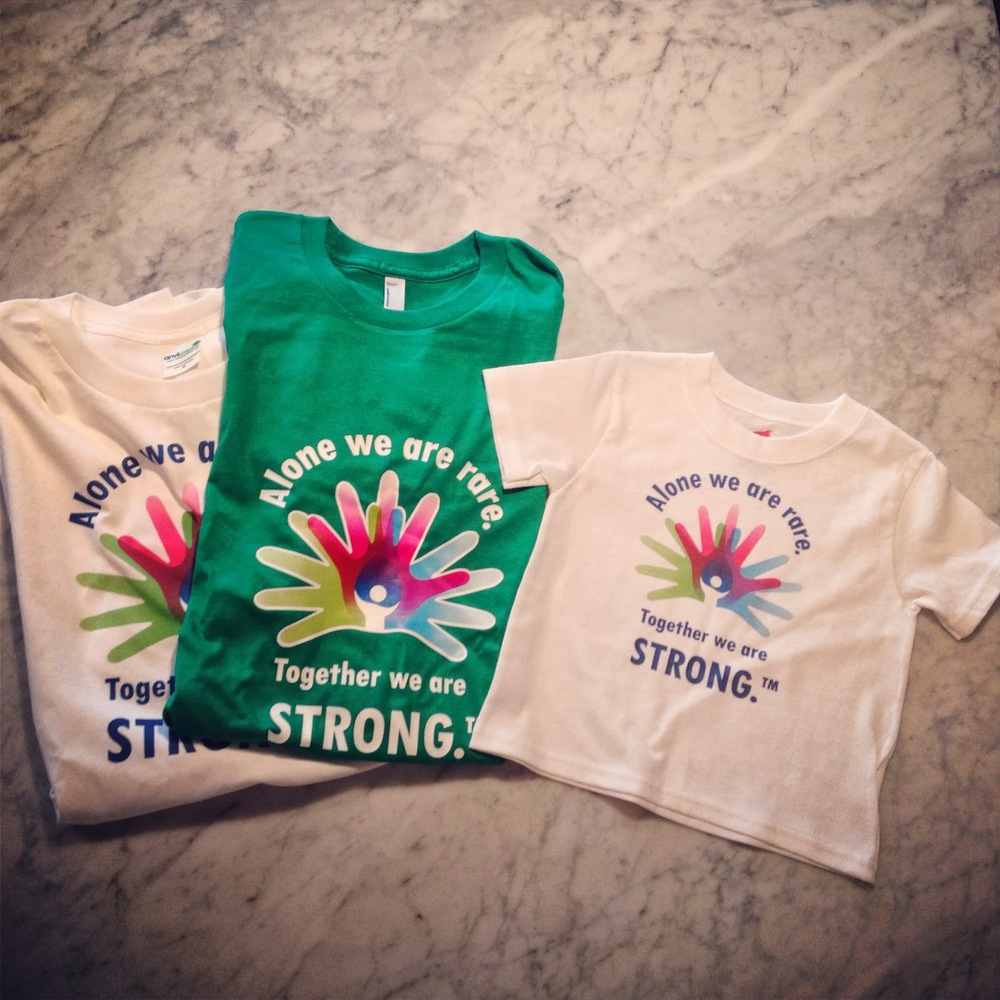
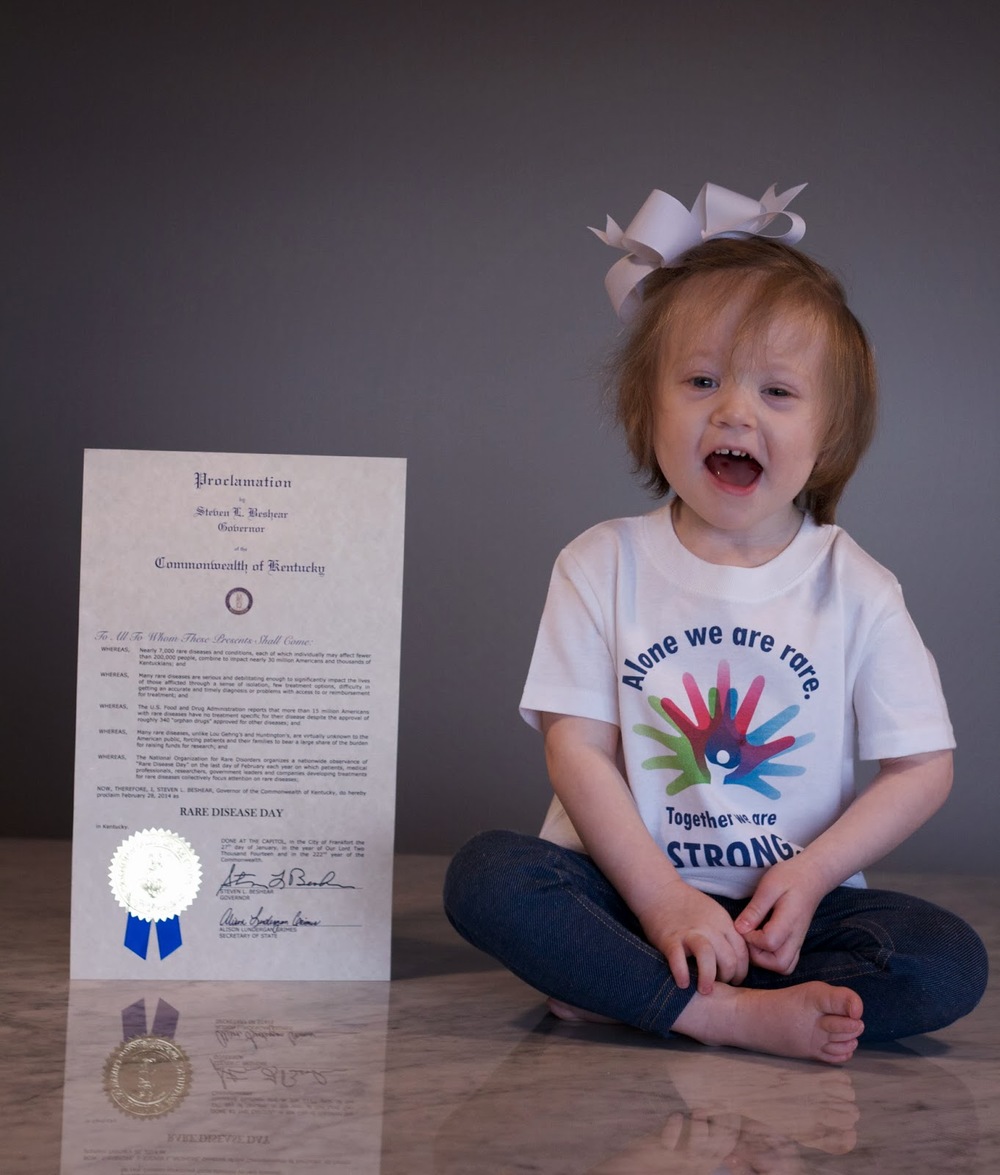
Yes, we are orphans.  We are alone, with voices too small and too few in number to be heard. This is why awareness matters. If our small choir stands united with the choirs formed by families faced with the other rare diseases, we are not small, we are not few in number, and we are not powerless. Alone we are rare.  Together we are strong.


There are concrete things we can change for the better.
One of the things we learned early on in our search for a diagnosis for our daughter is that these conditions are difficult to diagnose. Most “rare diseases” have a genetic cause. Our current neurologist analogized diagnosing a genetic-based condition to editing a book. This particular book consists of detailed chapters on how to build a person.  It defines how each cell is constructed, will operate, will replicate, will repair itself and will be stacked to create bones, tissue, brain cells and our whole body. Current estimates are that there are around 26,000 genes in the human body (somewhere between 23,000 and 30,000 by current estimates, excluding a lot of "non-coding DNA," which is not well understood), translating in this analogy to 26,000 chapters to edit.The genes range from a few thousand DNA bases to over two million bases per gene, translating in this analogy to chapters of a few thousand to a couple million words each. That is a very large book to edit.

What is in your genes?

Most of these chapters - or genes - come in duplicate. One “chapter” comes from mom and one from dad.  You have to know how each duplicate chapter works when the instructions are different (in our family, mom's instructions usually prevail, but that is not always the case in genetics), and you have to know how these chapters work in unison to know how the construction is to proceed. On top of all of this, environmental factors work into the equation. How does a virus, a toxin or a trauma factor into the blueprint when the body is being constructed? How do the chapters, themselves, define that reaction?
This editing process ends up taking a lot of time and costing a lot of money. By way of example from our circumstances, for INAD, we know that typos and omissions in the chapter or gene titled “PLA2G6” are known to lead to INAD. However, this is true only 90% of the time. In the other 10% of known cases, no typos exist in these chapters and science just has not discovered another cause.  So, we began with a chance that our child has INAD that this test - this edit - would not detect.
There are duplicate PLA2G6 chapters, and the condition is recessive, meaning that you have to have typos in both mom’s PLA2G6 chapter and dad’s PLA2G6 chapter for the child to have INAD.
Each of these chapters is written in script so small that our most advanced machines cannot accurately read them. As far as chapter PLA2G6, the test accurately detects known typos and omissions in a given chapter 85% of the time. In other words, they have used the test against genes that have been confirmed to contain INAD-causing typos, and only find them 85% of the time.  The known typos are missed the other 15% of the time; we simply cannot read all the words. Since typos have to exist in both mom’s and dad’s PLA2G6 chapters, however, if no errors are detected in either chapter, the condition is unlikely to be present (there is only a 2.25% likelihood that errors would be present, but missed, in both parents’ PLA2G6 genes).
So, running the INAD test can result in different outcomes: (1) both mom’s and dad’s PLA2G6 have typos of a sort known to cause INAD, in which case the child is diagnosed as having it; (2) either mom’s or dad’s PLA2G6 is detected to have such an error, but not the other one, in which case, the child may be deemed likely to have INAD based on clinical manifestations of INAD and the 15% non-detection error rate in the other “normal” gene; (3) neither parent has PLA2G6 errors that are detected, in which case, the child still may have it because of the 15% error rate in each PLA2G6 editing (a 2.25% chance), or because of the atypical INAD cases where there is some other cause; or (4) errors are detected in the PLA2G6 genes, but not of a sort known to cause INAD, in which case the results are a firm “we don’t know.” The end result is a definite diagnosis of INAD, a “maybe,” a “probably not,” or a “who knows,” but never a “no.”
The cost for these tests can run at around $2,000 each.  That’s right, $2,000 to test for just one condition of 7,000. Run the math. At $2,000 per test for 7,000 tests, the cost would be $14 million to edit all of the chapters known to cause “rare diseases.” Truth be told, the math is not that simple.  Some tests are cheaper, while others are more expensive. In no case would they run all 7,000, as many conditions can be eliminated based on clinical signs or other blood or urine tests. However, the reality remains that many of these rare diseases share symptoms and it is often necessary to run multiple expensive tests over the course of years to finally reach a diagnosis.  At the end of this long and expensive road, the physicians only come up with a definitive diagnosis half of the time. The other half of the time, we know there is some sort of metabolic disease, some rare condition, but we just do not know what it is. Our editing skills have not advanced to the point of knowing where to look for typos or what they mean.
No one can realistically edit all 7,000 chapters associated with these diseases, so doctors look for reasons to pull a particular chapter for editing. To do so, they perform less expensive (but not cheap) tests to try to figure out which chapter to edit. An MRI and MRS result justified the INAD test for Katherine.  It turned out negative (but not ruling out INAD, as discussed above).  So we move on to look for reasons to pull the next chapter.  She had an abnormality in her acylcarnitine profile. We’ve run it again.  If it turns out abnormal a second time, we have reason to suspect it may be one of the 30 known fatty acid or organic acid disorders, narrowing it down to 30 new chapters we might have to pull and edit. 30 edits at $2,000 each is still $60,000. It beats $14 million, but is still pretty expensive, particularly when there is a 50% chance that it will result in nothing definitive. We also have a follow up MRI/MRS, a genetic ophthalmologist appointment, and a spinal tap. We also are awaiting results from a skin biopsy.  All of these will provide hints at what chapter to pull next for an edit.
Thank goodness for that insurance, right? Wrong.


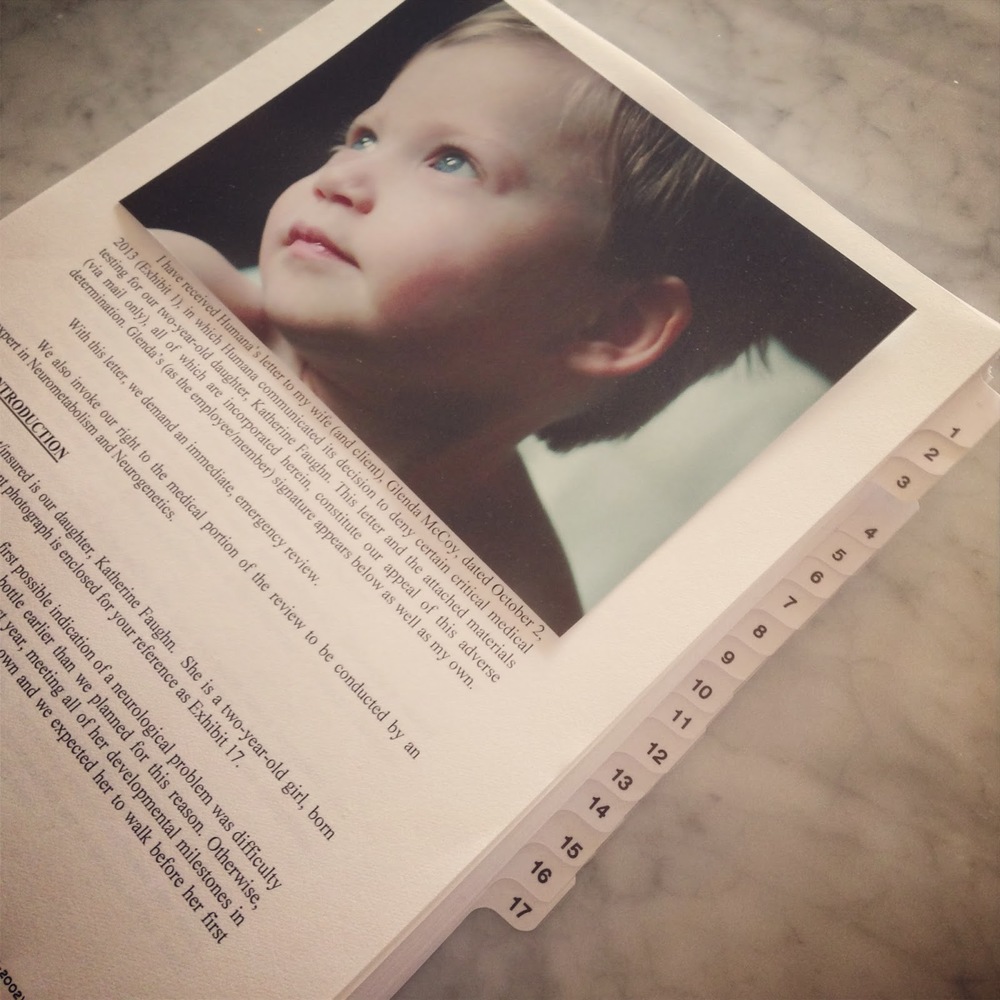
Our insurance appeal "letter."


In most cases, genetic testing is not covered by insurance. In other cases (like ours) genetic testing is covered under limited circumstances.  Insurance companies are in the business of collecting premiums, not paying claims. Therefore, it is rarer than these diseases for an insurance company to find the limited circumstances to be met.
The reason why genetic testing is routinely excluded from insurance policies or claims are rejected is simple: rare disease patients are easy to ignore, and expensive to hear. It costs nothing for the insurance company to let Katherine die, and $60,000 to see why her acylcarnitine profile is high, much less millions to see if she can be saved.
We are literal parents to figurative orphans left to die by harsh economic realities.
Considering she was thought to be the tenth child alive with INAD, she could be rejected without fear of economic backlash.  All ten of us could march away in anger and it would help, not hurt, the insurers' bottom lines.  And what is our alternative? Are we to go uninsured?  Are we to buy another policy if it, too, has a “let her die” policy toward genetic testing and rare diseases?
We have chosen a different alternative: To join together and be heard. We can change things for the better. We can put economic pressure on insurance companies to cover genetic testing.  We can put pressure on politicians to force them to cover it. We can force states to increase newborn screening.  We can expand awareness and education of the signs and symptoms of rare diseases. We can expand the flow of money into research of the genetic roots of all disease, including cancer and heart disease, leading to advances in the fight against the rare ones.  We can let the lucky 90% know our cause, as many will join our choir if they just know the song.
This is for your benefit. At a 10% overall rare disease rate in the United States, it will affect your family. It is a matter of when, not if. Help us change things for the better before you discover that you or your “Katherine Belle” is among that 10%, an orphan to the medical community and a burden left to die by your insurance company.


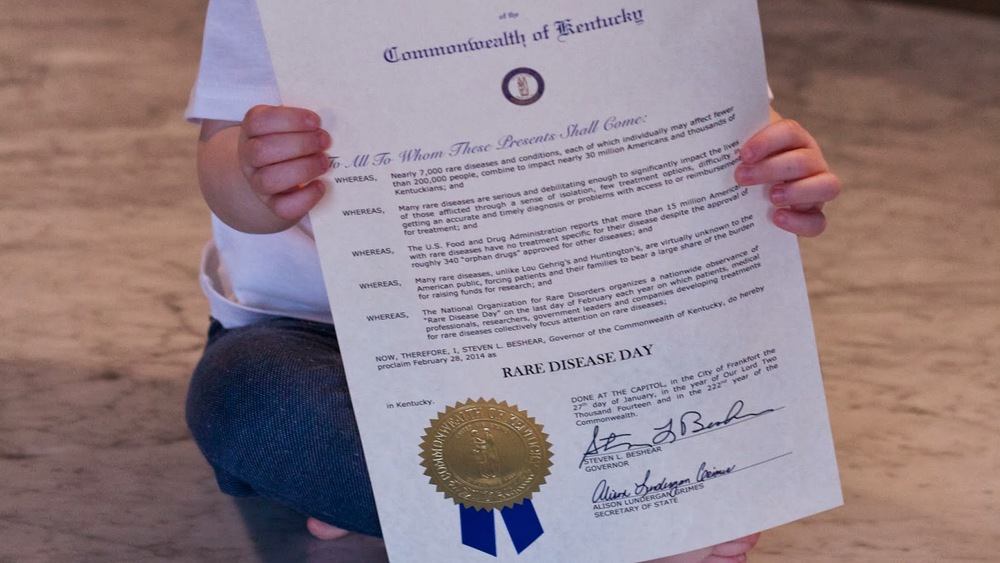
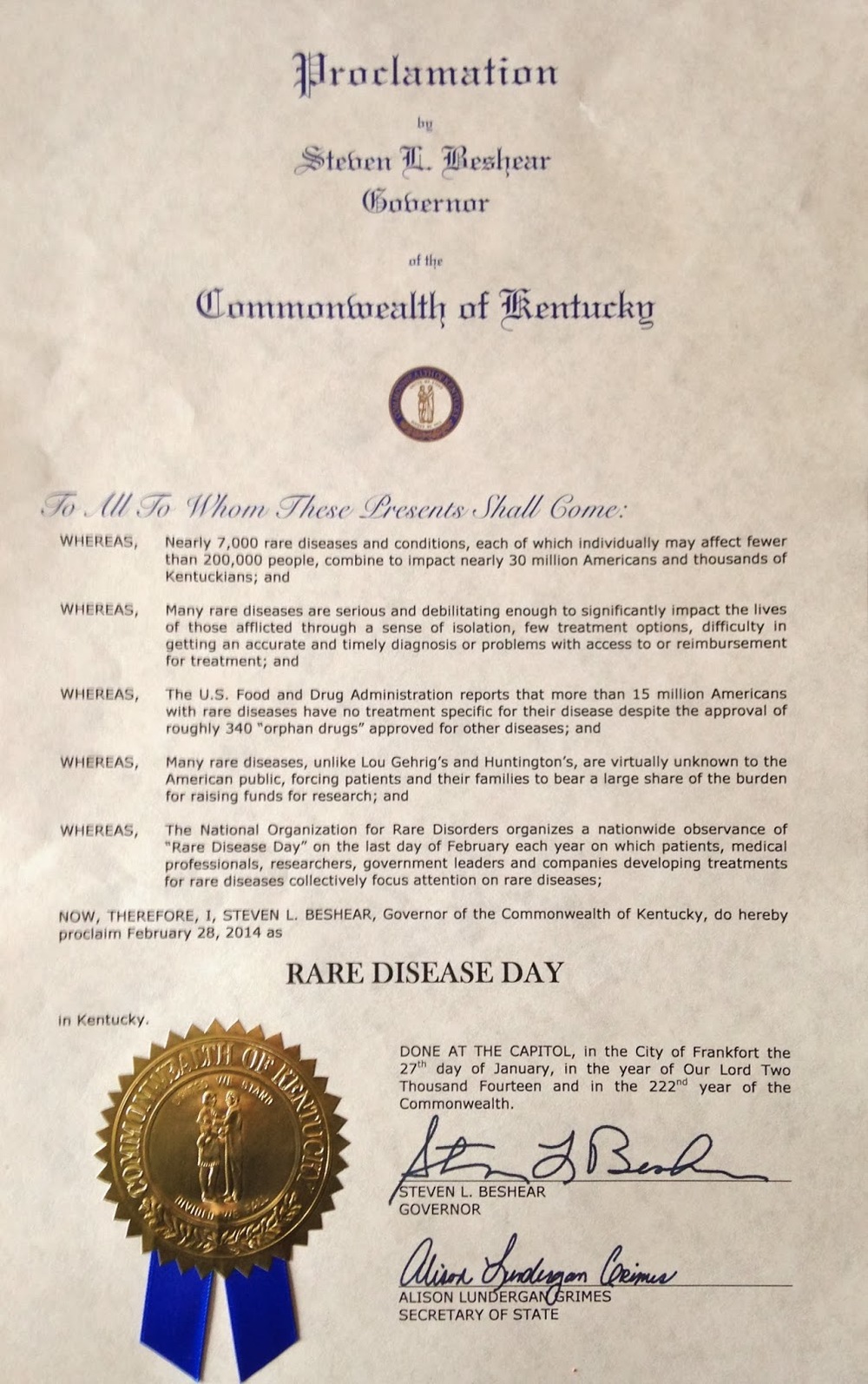
With our blog, Hope For Katherine Belle, and by sharing this post on HerKentucky, we stand up to join the chorus.  We are singing at the top of our lungs.   We contacted our state elected officials.  Kentucky Governor Steven Beshear has proclaimed February 28, 2014, as Rare Disease Day in Kentucky; Representative Sannie Overly will read a Rare Disease Day citation in the Kentucky House of Representatives.  It may not matter to many of you (yet, but it will affect all of you eventually) but it matters to us.  Katherine’s voice matters.  Katherine’s life matters. It is worth more than $60,000.  It is worth more than $14 million.
And, we will not go quietly.  We will be heard.


How can you help?  First, you can share this post with everyone you know to help us raise awareness.  Second, change your Facebook profile picture (see different examples below) to show your support for Rare Disease Day.  Third, encourage your local, state and federal officials to recognize Rare Disease Day. Fourth, wear a denim ribbon on Friday to show your support (jeans for genes) and tell people why you are doing so.

Click links below for additional information:


Read More

Raising Ms. President Louisville Event
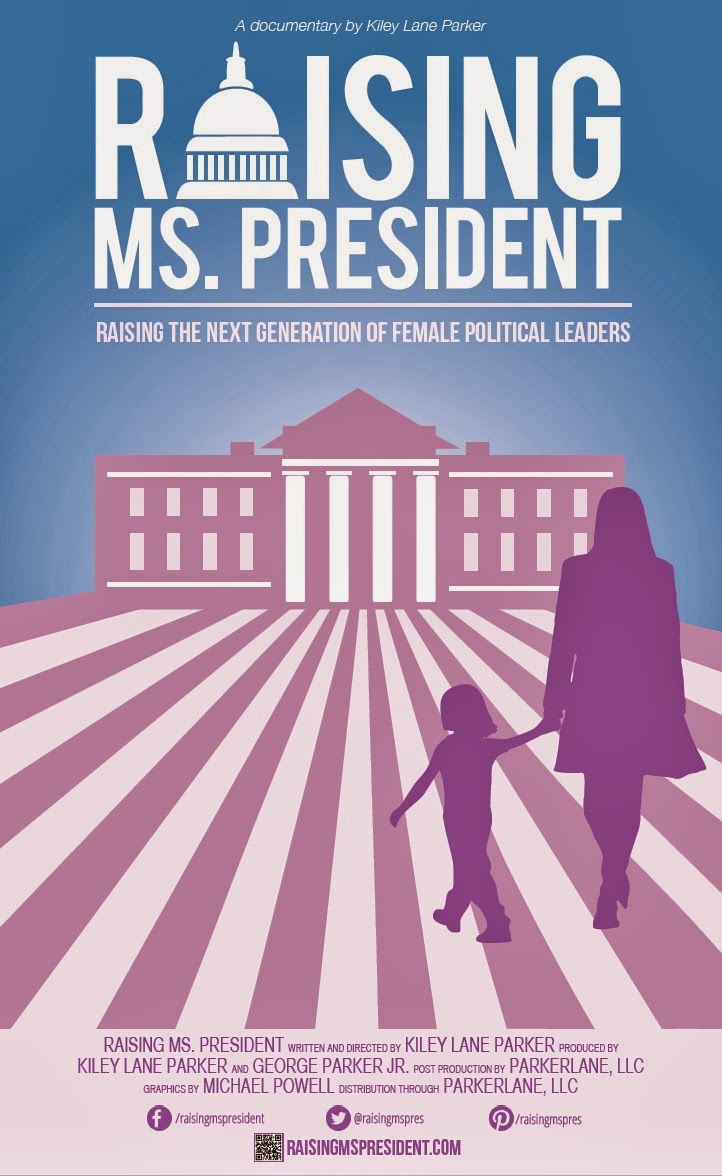

More important than our own reactions to Ms. Parker's film, however, is the message of getting girls involved in the political process. Whether or not they ultimately run for office, it's such an important message for young women to know that they can get involved. 

If you'll be in the Louisville area tomorrow night, I encourage you to attend the viewing of Raising Ms. President at the Brown Theatre. Following the film, Ms. Parker will lead a roundtable discussion, and you can learn more about the ways that Girl Scouts of Kentuckiana and Louisville Girls Leadership are preparing the young women of our communities to be the leaders of the next generation!

If you go:
Where: Brown Theatre, 315 W Broadway 
When: Tuesday, February 25, 2014 @ 7:00 PM
Price: All ages $15.00 || Student tickets $6.00 (not available online)
Running Time: Approximately 2 hours


Read More
Elizabeth Johnston Elizabeth Johnston

Follow Your Dreams Friday: Elizabeth Elfen Johnston on Moving to Italy to Study Footwear and Accessory Design!

I went to Transylvania University as a fresh-faced girl that, like so many before her, wanted to be a doctor. I had been in pursuit of this dream my entire life. A childhood friend's dad even gave me the nickname Dr. Elizabeth. I had wanted to become a plastic surgeon, as it combined my two loves, art and medicine. Somewhere along the premed track, I decided that it was not for me...or Physics decided that it was not for me, who can remember? It was so long ago...so I switched my art minor to an art major. I was excited about this new direction, but my parents were hesitant. They rightfully asked me what I was going to do with an art degree? I told them that there were so many options and that I would find a new life plan soon. After that conversation, I started to think about what I really wanted to do with my life. I looked back at what my other passions had been and quickly discovered that shoes had been there all along.

My obsession with shoes started at an early age. I still remember getting my dad in trouble because he bought me white and silver LA Gear high tops with silver laces and his assignment was to help me pick out a pair of all white shoes for school. As a teenager, I would go to the mall and look at shoes for fun and before I would make any shoe purchase, I would pour over the design. I always wanted to change just a little something! So it hit me. I should design shoes for a living! And just like that, a new dream was born. 

With my new dream in tow, I started to look over my options with one of my favorite Transy professors, Kurt Gohde. We found a program in NYC and one in Florence, Italy and I immediately decided that Italy would be the place for me. I had always wanted to live abroad for an extended period of time and I loved the program. I would be learning from the best and touring luxury factories across the Italian countryside. What more could a girl want? Ooh La La!

So Kurt and I set a plan in motion. After graduation, I would take a semester off to learn Italian at UK and then venture to Italy the second semester for a foundations of fashion design course at my new school, Polimoda. 

The shoe that got me into the program! 

From there I interviewed with the footwear and accessory chair and was accepted into the program for the following year. It was a wonderful experience. I designed shoes, but also took courses on how to make their patterns. I toured Ferregamo's factories and learned about the history of footwear from the curator of Ferregamo's museum. I was in shoe heaven in one of the most beautiful places on earth. I also reveled in the food and loved every minute of my experience. 

Enjoying La Dolce Vita! 

Upon graduation, I parlayed my training into an internship in NYC and then landed a job as the assistant footwear designer/production coordinator for a company that provided the footwear for Victoria's Secret. Yes, they have shoes...you should really check them out! 

A fast fashion shoe created in Illustrator for VS. I have come a long way since that first shoe! 

Due to the economic situation at the time, I was let go with Louboutins...true story and possibly the working title of my memoir!  It really wasn't the worst way to go! After a few months, I found a position at a luxury handbag factory where I worked as the liaison between designers and our sample makers and helped coordinate production for several large well known luxury brands. It was a fun fast paced job and there was never a dull moment! 

This position gave me the courage to start my own handbag line with hopes of one day adding a shoe line as well. I absolutely love making my bags by hand and while I have not debuted a new collection in quite some time, I have been making several bridal bags and bridesmaids bags for friends and family and I have been loving the results. Now that Scott and I have moved to Toledo, Ohio (I am always up for an adventure!)  and I  have more time on my hands, I have been working on a new collection and I could not be more excited to share it with you.  I am hoping to launch it some time in March or early April on my etsy site! Let's just say that there will be lots of seersucker,  pastels and bows. It is going to be a Southern girl's dream come true!  Ooh La La! 

Read More

Singing for Our Lives: A Guest Post from Erin Wathen
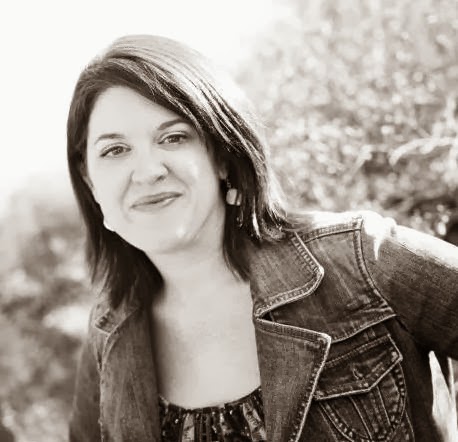
Erin Wathen, the sassiest Lady Preacher I know.
My friend and sorority sister Erin Wathen, of the fascinating blog Irreverin, is back with a gorgeous take on the recent KY All-State Chorus hotel performance that became a bit of an internet phenomenon. For more of Erin's stories of faith, sass, Southern values, and Lady Preacher-hood, check out her blog and her Facebook page. -- HCW

I’m not sure how it started, or when. But at least since I was a young’n, and probably a good many moons before that… each year, several hundred high school students would gather at the Hyatt Regency in Louisville for Kentucky All State Choir. (Yeah, that’s how we rolled, y’all. A glimpse of my wild and crazy youth right here). 

That hotel is about 20 stories high, with a large open-air atrium for a lobby. You can look up from the ground floor and literally see the door to every guest room, surrounding you on every side. And UP. So far up. When you are a kid from the holler—even if you’re a relatively well-travelled kid from the holler—that’s an impressive structure. 

On that first night, every year, we would all stream out of our rooms… Still giddy from the long bus ride, the first glimpse of a city skyline, and the prospect of 3 days in a hotel with NO PARENTS… We would all come out and stand along the balcony railing. A dozen at first, then a hundred, then five hundred. And somebody, somewhere, would start singing. 

There was a standard fair, you know, to the high school choir routine. My Old Kentucky Home. The Star-Spangled Banner. 16 Tons. The Lion Sleeps Tonight. And whatever the audition piece was to get to All-State that year… These were all songs that every high school music nerd in the state knew, in 4-part harmony. It’s fun in the classroom. It’s cool on the bus. But singing into an open air atrium in surround sound… Astounding and marvelous. 

Now, the sad news was that the All-State Choir event took up the whole dang hotel and even spilled over to other places down the street. Which means that nearly every person in the building, at the time of this miraculous performance, was taking part in it. Occasionally, the new front desk employee, the hapless downtown tourist, or the first time parent chaperone would look up in startled delight. But for the most part—we were singing to the choir. (Which is much like preaching to the choir, only more musical). Fast forward 20 (yikes) years. There are cell phones. With video recorders. There’s youtube. Vimeo. Facebook, Twitter, and a planet full of people who are desperate for small glimpses of inspiration, joy, and spontaneous community. Add to this scenario the confluence of this year’s All State Choir gathering with the first night of the Olympics. And suddenly, this decades-old belting of the national anthem becomes a ‘patriotic tribute,’ an ‘internet sensation,’ and a ‘viral high school flash mob.’ 


A flash mob?! Is that what that was? 20-some years ago, we didn’t know that term. We didn’t have cell phones with cameras. We were just kids on a trip. We were just singing into the void. 

Thing is, I watched it anyway. Last week, I watched that same anthem trickle down from 20 stories high, 20 years later. And it sounded just the same. Two decades removed, however many thousands of voices later, the song itself has not changed. Maybe seeing something from your youth, played out live when you are just this side of 35, lends significance to a memory you’d long filed away. Or maybe the real shift comes when you view it from a more global perspective, with about a million other people. This is the power of public witness: the added weight of meaning that an event takes on when processed by a larger audience. 

Isn’t this why we do faith in community? Because the little glimpses of the holy that we might catch in our every day lives are sacred. But when we share them with 2 people, or 20, or 200, they become that much more significant. They bear that much more meaning, and become a lasting part of who we are, both individually and collectively. Suddenly, one small thread of melody takes on tonal complexity, a life of its own. Eventually, you’re not just the choir singing to the choir anymore. For that moment, you are the word made flesh. A community of God’s people, giving life to many through the voices of a few. 

But to tell you the truth, I hadn’t thought about our ‘flash mob’ performances in years, cool as they were at the time. No, what I remember most about those kinds of trips are, like I said, the bus ride. The journey from our home holler to a far (to us) removed city, and a glimpse of who we might be some day. I remember how the cheerleader/church kid/pageant queen/skateboard punk lines diminished as we moved out of town, and as we sang together. I remember the complex love triangles that seemed to play around the edges of that freedom, but never really amounted to much. I remember years when somebody’s parents were splitting up, or somebody was in any other manner of crisis. I remember the homework that we promised to do on the bus, forgotten the minute we rolled past exit 41. I remember having my wallet stolen one year but somehow being sustained by friends, in the form of late night pizza and vending machine runs. (Luckily, we were not sophisticated enough to sneak beer into these things. That would’ve been expensive). 

And I remember how singing in this suddenly much larger circle of strangers was powerful, significant, possibly even transformative…but somehow, not nearly as important as the people who would ride the bus home with us. Maybe sometimes, you need the distance from home–and the space of about 20 years– to realize that. 

I’m grateful for the recent public witness to something that was so formative and meaningful for so many of us. The truth is, the epic viral nature of the ‘flash mob sensation’ did not make it a shared experience. This is a song we’ve been singing forever. In fact, I like to think we are all still singing into the void. Still singing for our lives.
Read More

7 Tips for Beating the Winter Blues

Today we have a great guest post from Colene Elridge, aka Coach Colene. 

Are you “over” this winter? From school cancellations and delays, to sloshing through snow, it’s easy to fall into a funk in February. Don’t get down, though, as there are simple things you can do to ease cabin fever. Here are my seven tips to help you make it through the rest of the winter with a positive outlook:

  1. Slow Down. Bears hibernate for a reason, right? This is the season right before the great awakening that is spring; use it to do your best work… the work on yourself. I tend to go 100 miles a minute, but winter forces me to slow down a bit. What do I do with my “extra” time? Read, bake, go to movies, and catch up on TV shows. 
  2. Treat Yourself. I’m a firm believer that we all deserve a big slice of happiness! Rewarding ourselves with a bit of a treat is incentive enough to keep us moving until spring. I buy loose-leaf tea and local honey and savor every sip of it. I’ll spend time with friends who make me laugh. What small ways can you treat yourself? 
  3. Exercise. I do hot yoga, so it’s easy for me to go in the winter because it’s hot and feels like a bit of a vacation from the cold. We all know exercising is good for you, so take some time to work up a sweat. Your mindset, and your spring and summer clothes, will thank you! 
  4. Wear something bright. Don't feel like you have to wait until spring to wear bright colors. They will help boost your mood and add a bit of pep into your wardrobe. 
  5. Get rid of stuff. Go through your house and get rid of things you don't need, use or love. This act of making room for spring will get you in the right frame of mind for a new awakening. Make sure you donate and/or recycle the things you can. You'll feel good about the extra space and giving to those in need. 
  6. Embrace the cold. Make an effort to go outside to take in the crisp air and get a bit of sunshine. The vitamin D is good for you, plus you can take in nature’s splendor. 
  7. Do something you've been putting off. Use this time to do something you've been procrastinating about. Frame pictures, knit a scarf, call an old friend to catch up. Pick one thing and tackle it! 
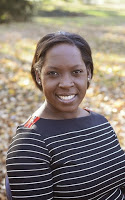
About Coach Colene: Colene is a dynamic trainer who offers an interactive and innovative approach to learning and development. She is a Success Coach who works with individuals and organizations that aspire to "Be More." Colene is also a human resources professional and certified mediator. She has a Bachelor’s degree from Transylvania University and a Master’s degree Sullivan University. You can learn more about Coach Colene here

Which of these will you embrace to help beat your winter blues?
Read More

Appalachia Proud

You know when you hear an idea that is so simple -- so brilliant -- that you can't believe somebody didn't think of it before now?

Here on HerKentucky, I've shared many stories of growing up in Appalachia. As I look back over so many essays and blog posts I've written about my Eastern Kentucky childhood, I realize that two themes have surfaced time and again: the need for a diversified economic base in Eastern Kentucky's Appalachian region and the delightful fresh-from-the-farm food that we love back home.

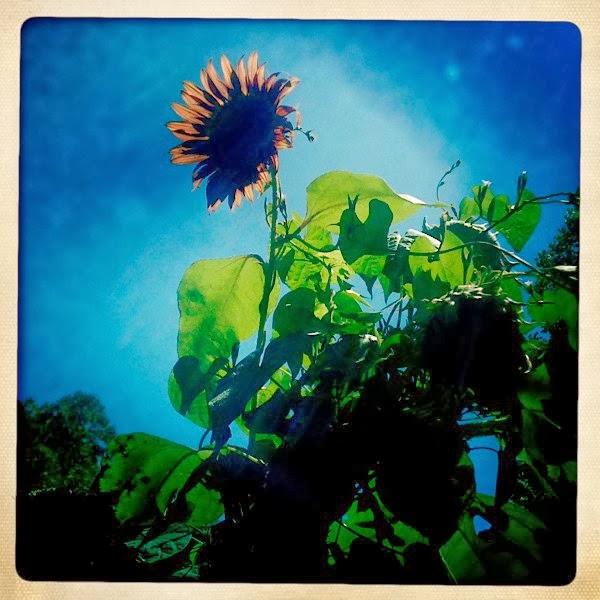
Sunflowers from my aunt's Floyd County garden.
I'm certainly not the only person who's noticed those two facts. But, like the old Reece's Cup commercial said, somebody finally put those two great tastes together. Yesterday, Kentucky Agriculture Commissioner James Comer announced a new marketing initiative called Appalachia Proud: Mountains of Potential. An offshoot of the Kentucky Proud brand, Appalachia Proud will connect the dots between the area's economic needs and its amazing agricultural potential.


I am so excited to see Appalachia Proud branding on local products in and around my hometown. I can certainly attest that the best tomatoes and beans in the world are grown in Floyd County, Kentucky. I can't wait to see how these and other local products are showcased by the Appalachia Proud branding. It's been so amazing to watch the Kentucky Proud incentive transform the way food is served across the Commonwealth.  I always enjoy finding new ways to try Kentucky Proud products -- my favorite Vietnamese restaurant here in Louisville serves Pho with locally-sourced beef -- and I can't wait to see how products from the Eastern Kentucky mountains find hip new incarnations!
Tiny tomatoes in my mother's garden.
I am so impressed by the Appalachia Proud initiative. It's far more than just a brand to stick on locally-sourced products. It's a well-designed plan to effectuate real economic change in the mountains. It's a sustainable project that seeks to train a new generation of farmers and provide a long-term impact on a fragile economy. Here's hoping it blossoms!
Read More