
Kentucky Artists' Derby Giveaway!
Get ready for Derby in style!

Derby is less than a month away, y’all. I’m in full fascinator-shopping mode, and I’m ready to pull out all of my Derby-themed decor!
I’ve teamed up with a fabulous group of Kentucky artists to give one lucky HerKentucky reader a fabulous set of Derby-themed items, valued at over $500. There is so much fun stuff here, including:
A hand-painted, bespoke Derby platter from Pete’s Sake Pottery.
A set of four Kentucky Derby 145 Glencairn whiskey glasses from Bar and Vine.
A Derby tea towel and pillow set from Doodles by Rebekah.
Three hand-stamped Derby-themed spreaders by Sycamore Hill.
Five pairs of Kentucky-themed socks by Barrel Down South.
A Kentucky watercolor by Tulip Poplar Co.
Enter using the Rafflecopter widget below! We’ll contact the winner this Wednesday, April 13th!

BenRiach Scotch Whisky Luncheon at Ostra
Pairing Single Malt Scotch with inventive food!
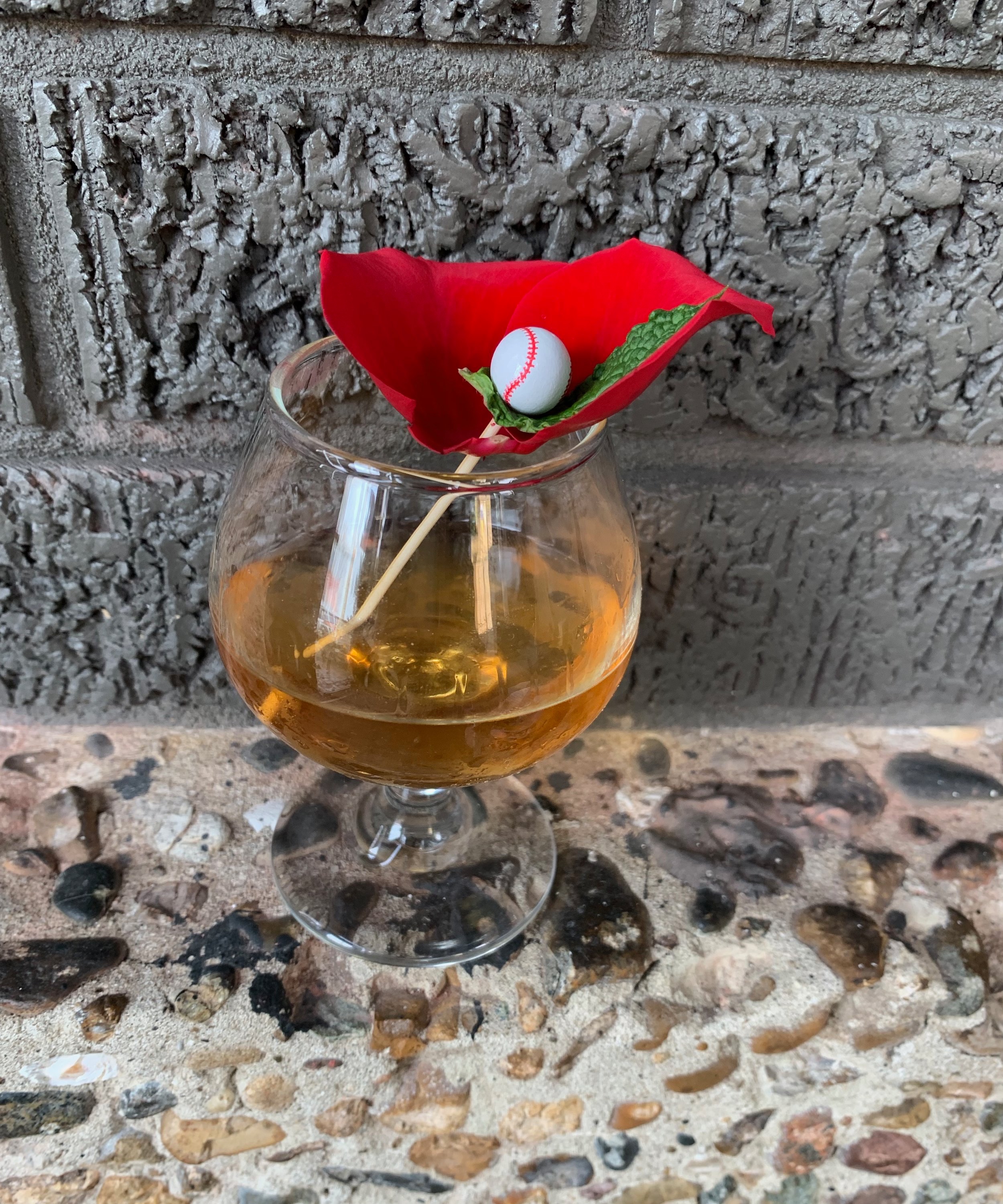
The cleverly named “Peet Rose” cocktail was created by Ostra for this event.
I recently attended a lunch tasting of BenRiach Scotch Whisky at Ostra. This was an invitation I was thrilled to receive; I don’t know a ton about Scotch, and the easiest way to learn more about a spirit is to attend a tasting led by an expert. BenRiach is a 120 year-old distillery of single malt scotch; its acquisition by Louisville-Based Brown-Forman in 2016 certainly makes it more accessible to Kentucky’s whiskey lovers. Stewart Buchanan, BenRiach’s Global Brand ambassador, led us through the tasting of four BenRiach expressions, each of which was paired with a creative and delicious food course.

Stewart Buchanan, Global Brand Ambassador for BenRiach.
In walking us through the tasting, Stewart pointed out that many folks who are new to Scotch often associate the spirit with heavy notes of smoke and earth. The peat flavor is is introduced into the spirit by drying the core grain — malted barley — over peat smoke for several hours. BenRiach offers both peated and unpeated expressions, offering a lot of room for exploration of the spirit’s flavor.

Tasting notes for BenRiach Whiskys
BenRiach 10 Year:
This accompanied our starter dishes of a kale pallet, oysters, and spotted prawn ceviche. I loved the mix of a lighter whiskey with these fresh and citrusy dishes.
Proof: 86
Nose: toffee, vanilla and pear
Palate: green apple, sherry, clementine
Finish: light spice, nutmeg

Ostra’s Jay Kale salad with citrus vinaigrette and goat cheese.
BenRiach 20 year
This accompanied a main corse of Wild Boar Gemelli, truffle honey fries, and crispy brussels sprouts. Honestly, the whisky and the pasta were so amazing together that I completely overlooked my blogger duties. I loved the interplay of the gamey boar with the sweet, lightly smoky whisky. I really liked this expression a lot; the notes were more familiar for someone versed with American whiskeys.
Nose: Baked Pear
Palate: honey and red wine
Finish: lemon and barley
We finished with two peated expressions, Benriach Curiositas 10 Year and BenRiach Authenticas 25 year. These were served with two amazing desserts: the cricket flour brownies and the red velvet churros with cayenne nutella dipping sauce. While I’ve never been one for peated whiskys, this pairing really worked well to coax out the notes of the spirit. I don’t fully trust my palate enough to give tasting notes on the peated whiskys; I simply haven't worked with them enough to get a great read on what I’m tasting and smelling. The Authenticas 25 year opened up to a lovely raisin palate, which worked well to cut the indulgent chocolate notes of the dessert. (And that churro was nothing short of lfie-altering!!)

Thanks so much to Brown-Forman, BenRiach, Lemonade PR, and Ostra for the invitation. I look forward to further pursuing my nose for Scotch!

How to Clean Your Closet Responsibly
Most of us spend a lot of time thinking about where we’ll buy our next favorite piece of clothing, but we don’t always task ourselves with finding the best home for those no-longer favorite pieces.

Most of us spend a lot of time thinking about where we’ll buy our next favorite piece of clothing, but we don’t always task ourselves with finding the best home for those no-longer favorite pieces.
Of course, earlier this year, Netflix dropped the “Tidying Up with Marie Kondo” series; predictably, Goodwills around the country were inundated with stuff that no longer sparked joy. People donated their no-longer-loved items in record numbers. And, of course, we’re hitting the time of year when we’ll soon put away our sweaters and start to think about what to wear to Keeneland, Easter Sunday, and Derby. I have a few tips that will help y’all make those transitions with a vision toward utility.
Recently, I’ve started to think a lot more about the complete life cycle of a garment, and where things actually go when we’re finished with them. My eyes have been opened by a couple of badass Kentucky ladies whom I follow on social media. Gretchen Hunt, a Louisville-based attorney and advocate for domestic violence victims, runs an instagram account called ThriftingKY that details her adventures in shopping for a thrifted wardrobe. Samantha Moore, a Lexington designer and fellow Transylvania alumna, upcycles vintage garments into stunning, one-of-a-kind pieces for her brand Modern Country Couture. Both Gretchen and Samantha are committed to reducing the issue of textile waste. Both Samantha and Gretchen have made me think far more closely about whether I actually need the things I have or the things I want to buy.
My involvement with Dress for Success over the past few years has made me think far more deeply about the ways in which I discard or donate the items I no longer need or want. Y’all know that I’m committed to both volunteering and raising money for the Dress for Success affiliates in Lexington and Louisville; it is so incredible to see the profound effect that a newer work outfit can have on a woman’s future. Dress for Success has also had an important impact on my consumer habits. The other day, I was volunteering in the Dress for Success boutique when I saw a really pretty skirt. Upon closer inspection, I realized that I’d once owned a skirt — lilac and grey wool from Loft — just like it. It was 15 years old, but it was a timeless style and quite gorgeous. If it were still in my closet and still fit (few of us are the same size 15 years later…), I’d wear it today. Isn’t that what we should all be striving for a little more of? Timeless styles, reduced waste, and keeping ourselves a little healthier and trimmer? Of course, I certainly hope that skirt finds a great home, and I’m so glad that its previous owner was socially conscious enough to donate it to a place where it can be used. I’m embarrassed to say that I have no idea what happened to my own skirt in that style, which is an area where I need to do better.
Here are the rules I’ve come up with for cleaning my closet and responsibly resourcing my items; I hope that they can help you as well. I’m providing specific examples from my closet; I hope these help you with your own decision tree.
Rule 1: Only Keep Clothes that Fit

Last fall, I absolutely fell in love with this navy Draper James dress. It’s so flattering and can be styled for any occasion. It ran a little big to begin with, and then I lost some weight. So, this spring, it no longer fits! My number one rule for cleaning closets is that there is absolutely no reason to keep clothing that is ill-fitting. You just won’t wear it. Now, I seldom do a one-to-one replacement when cleaning out my closet. This was an exception because I know the dress is so flattering and functional, and I found the smaller size at a very reasonable price on eBay. I will consign or donate the larger size; hopefully it will find a home with someone who loves it as much as I do! In most cases, however, I stick to finding a similar, suitable replacement.

Rule 2: Only Keep Clothes that Flatter or Serve a Purpose

We all have things in our closet that we don’t quite know about. Maybe it’s an impulse buy. Maybe someone bought it for you. Maybe it’s from a weird phase when you were trying to make florals happen. And, it just sits there. For me, it was this French Connection wrap dress. It’s a stunning piece. It was perfect for a photo shoot I did last spring. And it’s never quite fit right. So, it needs a new home; it goes to the consign or donate pile.
Rule 3: See if it Could Serve Another Purpose

Honestly, I think this is an important one. There are other ways that our clothing can be used. I grew up with a grandmother who makes quilts, so my mind is never far from that use. Old t-shirts, for example, have a better use as a quilt than as drawer-fillers. (Bonus use: The excess t-shirt material makes THE BEST dusting cloths!!) I have several Derby-themed t-shirts that I plan to eventually turn into a quilt. You can read my t-shirt quilt tutorial here, or visit Louisville-based Campus Quilt to have a more professional-looking version made for you!) Similarly, a piece of clothing that you can’t bear to part with but that has a flaw that makes it unwearable makes a perfect quilt fabric. My granny made me this quilt using fabric from an old Lilly Pulitzer Kentucky Derby print. This would be a great way to repurpose a special dress or skirt into an heirloom!

Old party dresses in not-quite reparable conditions can become great dress-up materials for kids. The possibilities here are really only bounded by your time and imagination!
Step 4: Make a Responsible Plan for Your Discarded Items
If you only have one takeaway from this blog post, I sincerely hope this is it. Be responsible with the way you discard your item. It’s truly not enough to discard anything that sparks joy. The key here is to be realistic about your own situation. Consigning or selling your pieces can be a great way to earn a little bit of spare money, and, of course, donating your pieces to a charity or thrift store can help it find a deserving new home. But, responsible rehoming goes a little farther than just sorting into consignment and donation piles. You need to dig a little deeper to decide where an item goes. Here are my 3 basic rules of thumb:
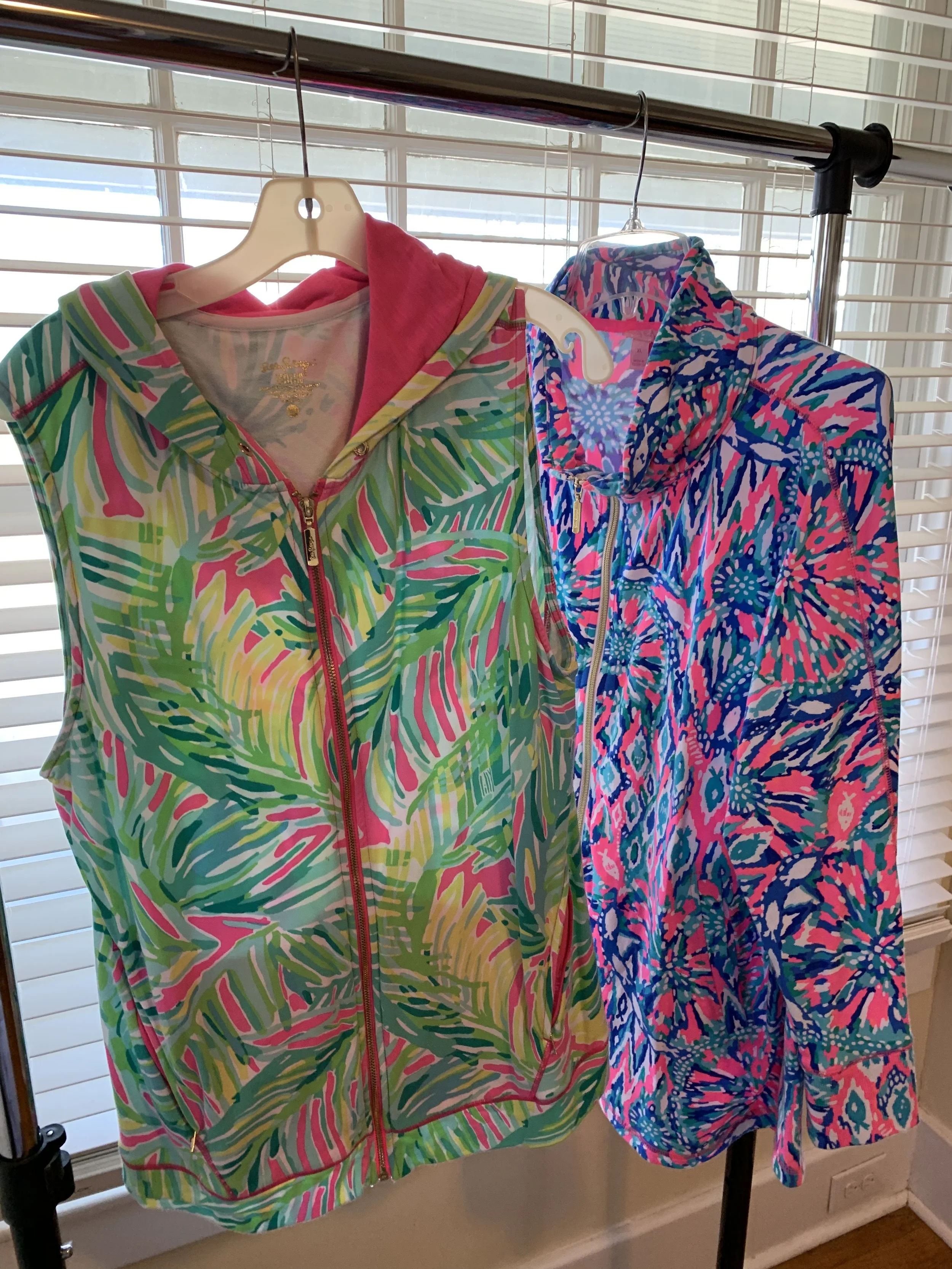
(a) Assess the item’s value.
We all have some items in our closet that are nicer than others. Sometimes, these things have a higher resale value. Lilly Pulitzer, for example, is a brand for which well-maintained items can achieve a high resale price. You can sell a Lilly item on eBay or Poshmark, at consignment, or in a brand-specific Facebook group for close to its original retail price. Here in Louisville, we several GREAT consignment shops that focus on brand name women’s resale: Stella’s and Sassy Fox are both located in St Matthews, have the sweetest staffs ever, and are fabulous to buy from or sell with. Another great use for higher-value items is to donate to a charity that can turn them into creative fundraisers. Many Dress for Success affiliates, for example, pull higher value items from their donation piles for individual sale or for a higher price at their inventory sales. Goodwill has created the ingenious ShopGoodwill auction site. While these mechanisms have made the old “I found a Gucci bag at a Goodwill in a nice suburb!” urban legends even less likely, they’ve certainly helped to convert more donations into cash to nonprofits!
(b) Assess Your Commitment
Don’t let a whole bag of “this can go to consignment once I wash it and press it and sew on a button” things sit around. The truth is, you aren’t going to do that if you don’t do right now. Similarly, be honest with yourself about your financial motivation for selling your items. If you’d rather have the cash value for your item at the time you release it, go with eBay or a resale store like Clothes Mentor that pays cash up front. True consignment stores pay you when your item sells; this usually means a month’s delay in receiving payment for the item.
(c) Assess a Charity’s Needs
This is so important, y’all. We are so fortunate here in Kentucky, especially here in Louisville, to have an amazing network of 501(c)(3), not-for-profit organizations serving a variety of populations. If you’re going to make a donation of used clothing, please take the time to touch base with the organization and see what their needs and guidelines actually are. For example, I’ve learned through years of grant-matching volunteer work that, as a general rule, missions and shelters will not accept used underwear and socks, no matter how clean. It’s an issue of dignity and basic hygiene, not a reflection on how well you washed your old socks. Similarly, a huge need for Dress for Success is always work-appropriate clothing that does not require dry cleaning. While many of us grumble about our monthly dry cleaning bill, it’s an actual impediment to use for a lot of people who are struggling to maintain basic employment. Remember, too, that donation-based charities like Dress for Success still have to pay rent for their spaces and don’t have a ton of storage space. Because of this, they’re really limited in how much out-of-season inventory they can house. You’d be far better off to donate by wear-now season! Remember to always check with your charity of choice to see what they need and how they can best put your item to use.
Rule 5: Be Honest!
Be honest with yourself when assessing your item’s path. Ask yourself if this item is as valuable as you perceive it to be. A 15 year-old Louis Vuitton bag may have a lot of sentimental value, but will most likely show so much wear as to command a far lower resale price than you anticipate. You may have splurged on a trendy cold-shoulder top two years ago, but many resell venues may deem that look to be, mercifully, past its expiration date. Be honest about the condition that your item is in. Work slacks with a torn hem aren’t immediately interview-ready for Dress for Success. Be honest about the decision you’re making to part with an item, and you’ll figure out a way to give it another use!
Let me know in the comments how y’all clean out your closets and where you donate your items!!
Henry Dry Goods
Henry Dry Goods provides a gorgeous mix of edgy and preppy to small textiles!

I recently visited the very cutest shop in Lexington!
Henry Dry Goods is so adorable, y’all! It’s on Jefferson Street, among the most lovely little nook of stores and restaurants. Lexington is really having a moment for shopping and dining! I swear I do more shopping there than I do in Louisville these days, and I LOVE that the area around Transylvania — my alma mater — has gotten so much more fun and trendy!
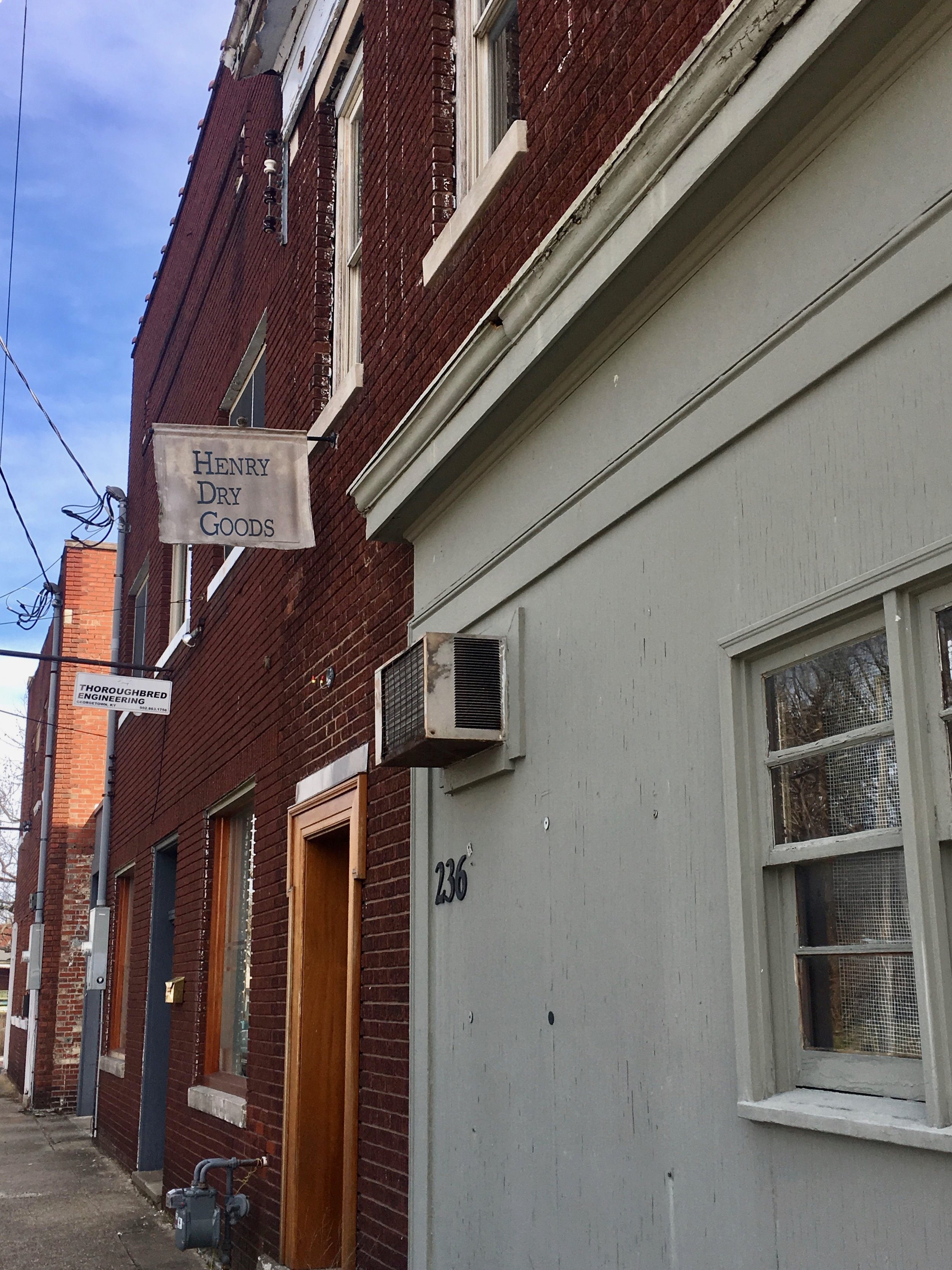
I had the wonderful opportunity to speak with Henry founder and CEO, Sherri Henry Wolf, and her partner Dianne Oakes at their shop, and I was enchanted in every way. The decor is so beautiful, and the Henry textiles — pillows and bags at the intersection of preppy and edgy — are simply gorgeous.


As I talked to Sherri and Dianne, the most beautiful theme of second chances kept popping up. Sherri told me how she lost her first company as a consequence of a divorce. Dianne introduced me to this sweet girl, who was one of the dogs displaced by Superstorm Sandy. It was just an amazing vibe of beauty and grace and strength. I’d entered their loft space a fan of their handbags; I left a true believer!

And we haven’t even talked about the monograms yet! Y’all know I love a good monogram, and Henry features some of the most lovely monogram styles I’ve seen in ages!


These vintage-style ribbon straps add an even more personalized touch to your Henry bag.

In case I wasn’t in love enough, Henry has a gorgeous line of UK gear! Sherri collaborated with the University of Kentucky to reimagine the iconic UK Plaid for some gorgeous pieces, and they also carry clear, stadium-friendly crossbody bags! Oh, and Mrs. Calipari has one of those plaid crossbody bags! Is there any better endorsement than that?

I simply fell in love with my Ben Game Day Tote. This would be such a fun bag to pack for the SEC tournament. I’ve already used it as a purse and a work bag; it’s an amazing piece for Wildcat fanatics like me!
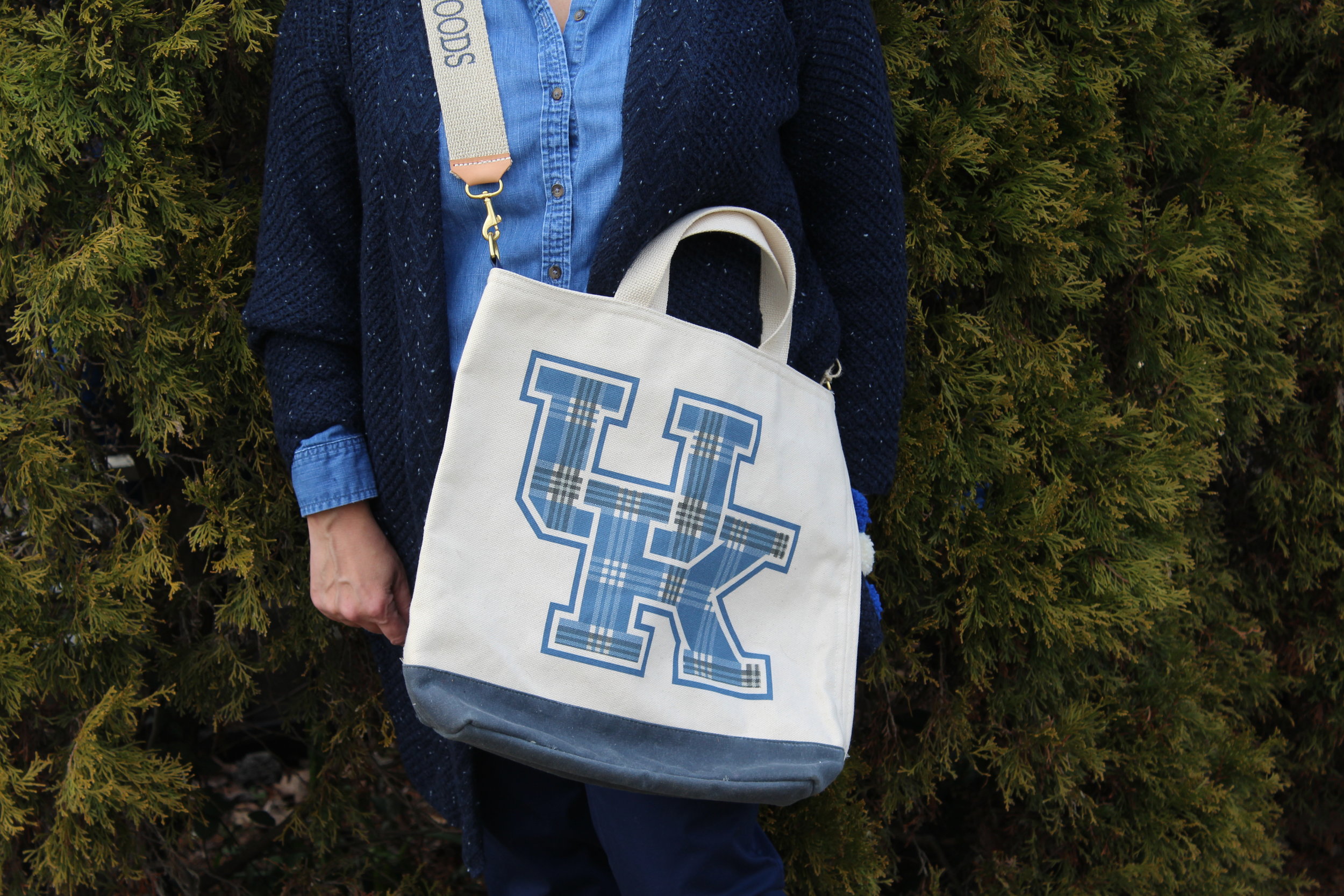
Thanks so much to Henry for the fabulous tour, and the gorgeous bag! I can’t wait to share more of their goodies with y’all!


{I was provided product by Henry Dry Goods in exchange for an honest review. All opinions are my own!}
Batdorf & Bronson Guatemala Finca La Esperanza Coffee Review

I’ve teamed up with Batdorf & Bronson to review some of their amazing coffee roasts with you.
Batdorf & Bronson is an Olympia, Washington-based coffee company known for their cult-favorite Dancing Goats® Blend. Dancing Goats is our very favorite coffee, and the daily brew here at HerKentucky Headquarters. You can read my review of that roast here. The fabulous folks at Batdorf sent me a few other coffees to sample, and I’m happy to share my tasting notes with y’all. I absolutely loved the Guatemala Finca La Esperanza. This was from their limited-edition Voyager series during the winter. I hope it’s something they can recreate in the future, as it is an amazing roast. This coffee is made from a single varietal of coffee beans, from one family farm in northern Guatemala. The flavor was unique and amazing.

This coffee was like a warm, balanced cup of well-made German chocolate cake. It was amazingly balanced and light for a cup that presented so many dessert notes. Bob immediately noted that it would be incredible with a pastry or piece of cake with fruit notes. We will certainly keep an eye out for any future Batdorf offerings from the Herrera family farm, as we LOVED this roast!
Guatemala Finca La Esperanza Tasting Notes:
Roast: Dark
Nose: Initial note of dark chocolate, with coconut aroma upon grind.
Taste: Pecan, bitter chocolate
Finish: Toasted coconut
Please note that all Batdorf & Bronson coffee bean orders are roasted to order to ensure maximum freshness. Allow extra time for your coffee delivery.
{Batdorf & Bronson provided me with coffee beans and promo merchandise for an honest review; all opinions are our own!}
You may also like:
Batdorf & Bronson Dancing Goats and Whirling Dervish Coffee Reviews
The Value of Sororities and Women's Clubs
The power of motivated women can be pretty amazing.
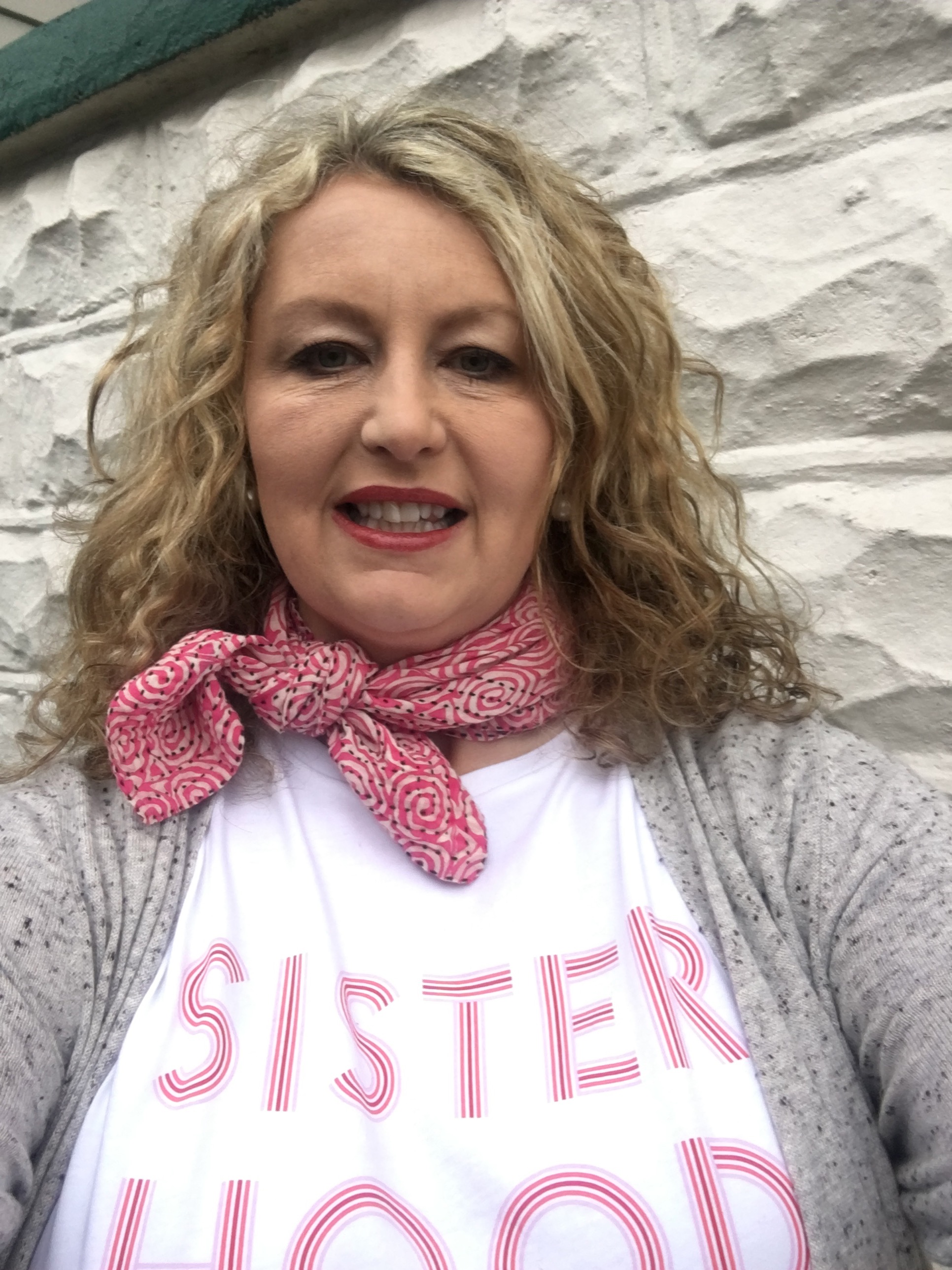
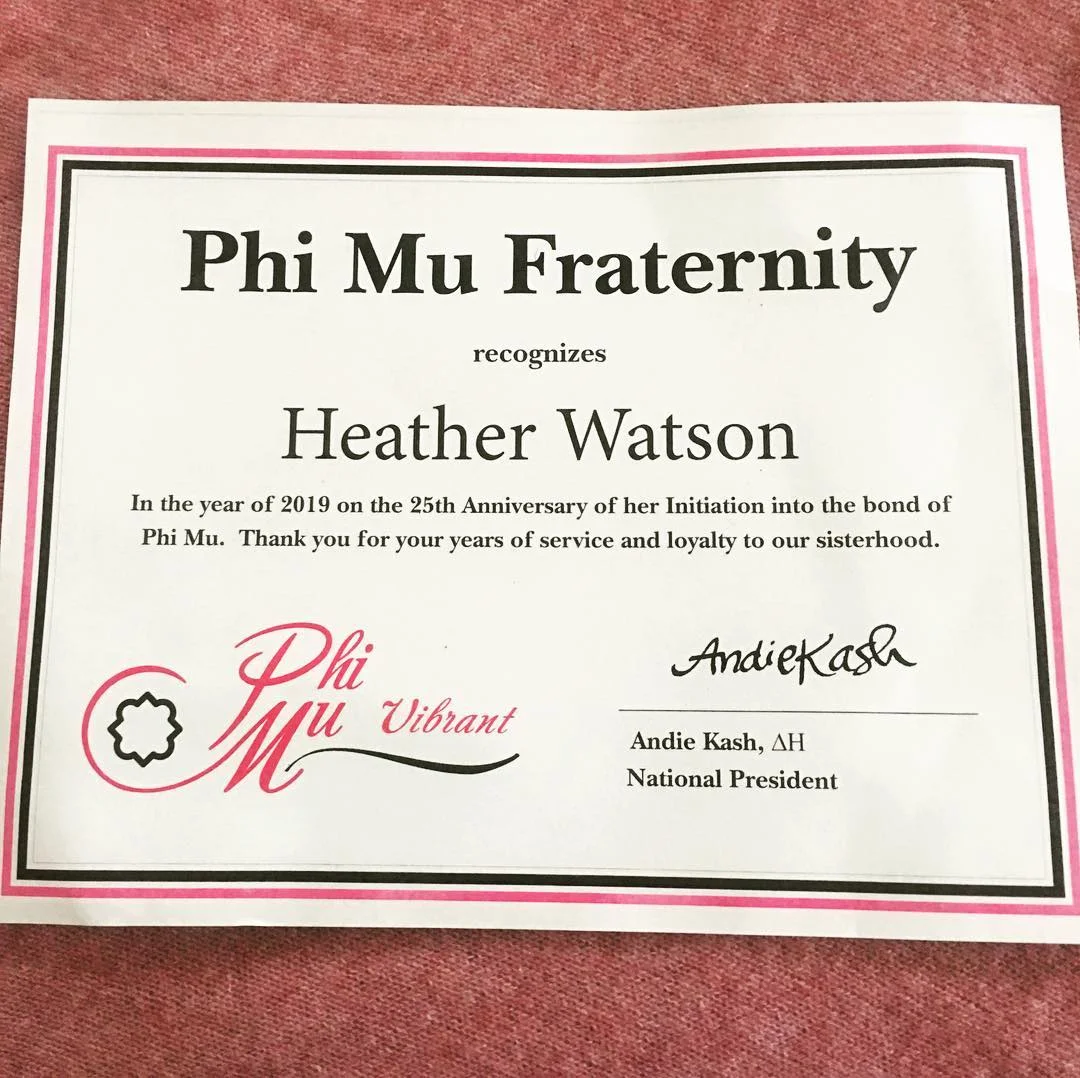
Happy Founders’ Day to my fellow Phi Mus! The Philomathean Literary Society was founded on March 4, 1852 at Wesleyan College in Macon, Georgia by Mary Elizabeth Myrick, Mary Ann Dupont, and Martha Bibb Hardaway. Phi Mu is generally recognized as the second women’s Greek letter organization and counts among its members Joyce Carol Oates, Kimberly Schlapman, Miss Terry Saban… and me.
I know, I know. I can literally hear some of y’all rolling your eyes. Heather, you’re over forty. Why are you wasting time talking about a club you belonged to in the Nineties?
So, here’s the thing. I believe that my sorority experience has prepared me for more life experiences than I could have possibly imagined when I joined Phi Mu in the early 1990s. So many social interactions — from successfully planning and executing a charity event to powering through a bad job interview — were in some way, impacted by my sorority experience. I can’t say it often enough: Phi Mu provided the proper tools for social and professional success in my life. (My Phi Mu sisters Beth and Sarah recently recorded an amazing podcast episode about the impact Phi Mu had on their lives; it’s well worth a listen!)

The most important lesson I learned from my four years in a sorority is that “you don’t have to like someone to love them.” Think about the power of those words for a minute. It’s such a crucial lesson, really, and yet we forget it so often. You’re not going to like everyone you deal with, even if you’re working on a shared goal or project. Being able to acknowledge that you don’t care for someone personally but are still aligned in your larger goals is a skill that most everyone should apply to work, family, church, politics, sports… really, anywhere that there’s a unified group of individuals!! And, trust me, if you have a group of over a hundred girls in their late teens and early twenties, there are bound to be disagreements. The maturity and grace to deal with these situations are more valuable lessons than those learned in many of the classes I took in undergrad. (Haven’t done much algebra lately, you know…)

My college roommate and I were clearly going for “Steel Magnolias hair!”
Because I did have such an amazing sorority experience, I’ve found myself seeking out other women’s organizations. I loved being an alumna adviser for my sorority — an opportunity to, hopefully, share my own professional and personal experiences in a way that benefitted younger Phi Mus. I loved working as an alumna adviser and mentor to collegiate members; it’s just so amazing to watch college-age women figure out who they are and become poised and capable leaders, and feel that, just maybe, you helped them achieve this.
Over the years, I’ve belonged to three Junior League chapters as well as a local woman’s club here in Louisville. I’ve sought out opportunities to volunteer, raise money, and otherwise make a difference with like-minded women. It’s just so great to have a built-in support system. I was hospitalized a few years ago, and a group of folks whom I hadn’t known very long went out of their way to bring us dinner for weeks, simply because I was in Younger Woman’s Club with them! It was so humbling, and an act of sisterhood that reminded me why I always seek out women’s organizations: they provide a safety net and a safe space to grow, no matter your age.
In honor of Women’s History Month, Draper James has redesigned their Sisterhood tee and released a few more inspiring pieces to celebrate women’s friendships. Speaking of Draper James, I can’t say enough good about the women of DJ’s Lexington store — another amazing group of women whom I’m so blessed to know! Since June 2018, Draper James has graciously allowed me to host three shop and sip events benefiting Dress for Success in their stores. Our total to date is $950 donated directly to the Lexington Dress for Success affiliate by Draper James. It’s so wonderful to watch a core group of HerKentucky readers turn out time and again to help raise money for a charity that helps empower women. And, as a result of our partnership, the Lexington Draper James store now regularly donates “damages” (merchandise with minor flaws such as loose buttons that are not in sellable condition) directly to Dress for Success Lexington. How amazing is that? I truly do believe that a small group of talented and motivated women can achieve great things; it’s the power of sisterhood, y’all!

How to Make a Needlepoint Belt, Part One
Step-by-Step guide to creating a needlepoint belt.
Over the past year or so, I’ve found myself really interested in needlepoint. It’s a hobby I’ve picked up time and again for well over 20 years, since my undergrad days at Transylvania. I absolutely love making needlepoint belts. They're such a fun project to undertake, and they make incredible gifts!
Over on Instagram, I’ve posted some photos of belts I’ve made or works in progress, and have had a lot of questions about how to get started. Today, I’ve teamed up with NeedlePaint, a custom needlepoint company, to give you a step-by-step guide!
Step 1: Determine your project!
Are you making a belt, dog collar, key chain, or sunglass strap? These questions weigh heavily into how much time and money you’ll spend on the project. It might be best to start with something small like a dog collar, or a pattern that doesn’t involve a lot of tiny detail. You’ll probably find that you get the hang of it in a hurry and are ready to move on to a more complex project fairly quickly!
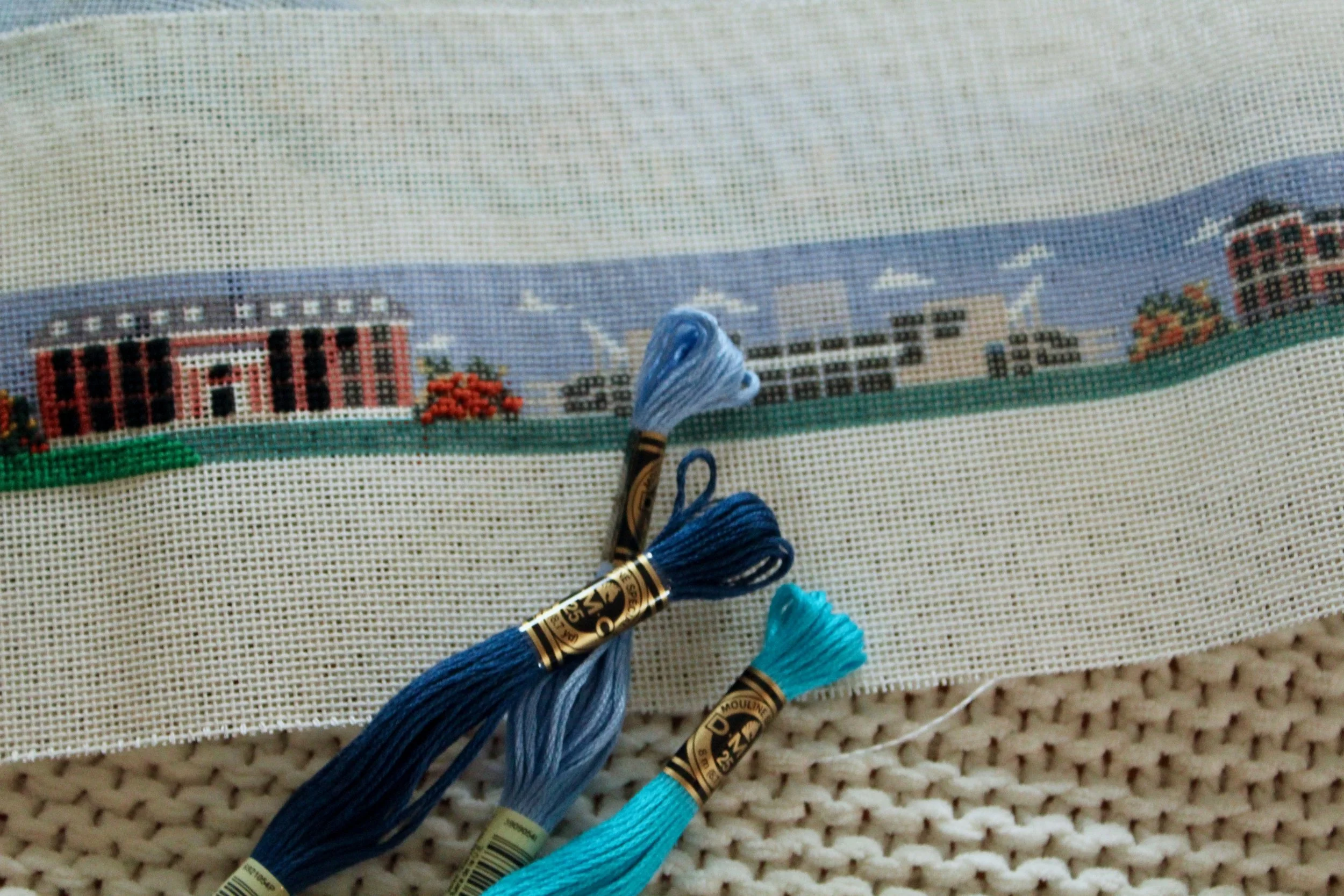
What materials are used in your belt kit? I can’t stress this enough. If it’s your first belt, then you’ll want to purchase a kit that has all of your materials together! As a general rule, the folks who sell the canvas are going to be better at selecting the appropriate threads and needles than you are. Let them kit your thread so that you have the correct colors, and the appropriate thread and needle sizes. Here are a few things you’ll need to know about the materials:
The canvas comes pre-painted on a mesh canvas. Mesh is graded into different sizes. The number on the mesh is determined by the number of holes per inch. So, an 18 mesh canvas has more holes per inch than a 14 mesh or a 12 mesh. This, in turn, determines the type of thread you’ll use. You may use DMC brand thread in Pearl Cotton sizes 3, 5, or embroidery floss size 25. These threads are also denoted by a color number. It’s a lot to learn, and it’s way easier to let the professionals choose the threads for you. If you have an option to choose the mesh (Needlepaint has a great blog about this here!), you should consider that a very small canvas (i.e., an 18 mesh) is going to take a longer time to complete and may be more difficult for someone who is very far-sighted or has a history of tendonitis or carpal tunnel in their dominant wrist. (I learned the hard way that I need to wear a wrist brace if I’m going to do a lot of needlepointing!) Don't be shy about asking your needlepoint shop for specific details. You can contact NeedlePaint here to ask more questions about your project, and you can rest assured that their products have a 100% satisfaction guarantee!
Step 2: Choose Your Pattern!
This is the fun part! You’ll want to pick out a pattern that really speaks to your recipient’s personality. This is a keepsake, so you probably want to go with an interest or hobby that is important to the person who’ll be wearing the belt. Some folks love to go with the customized hobby/ memory belt that commemorates several of the wearer’s hobbies; I’ve made one like that for my dad.
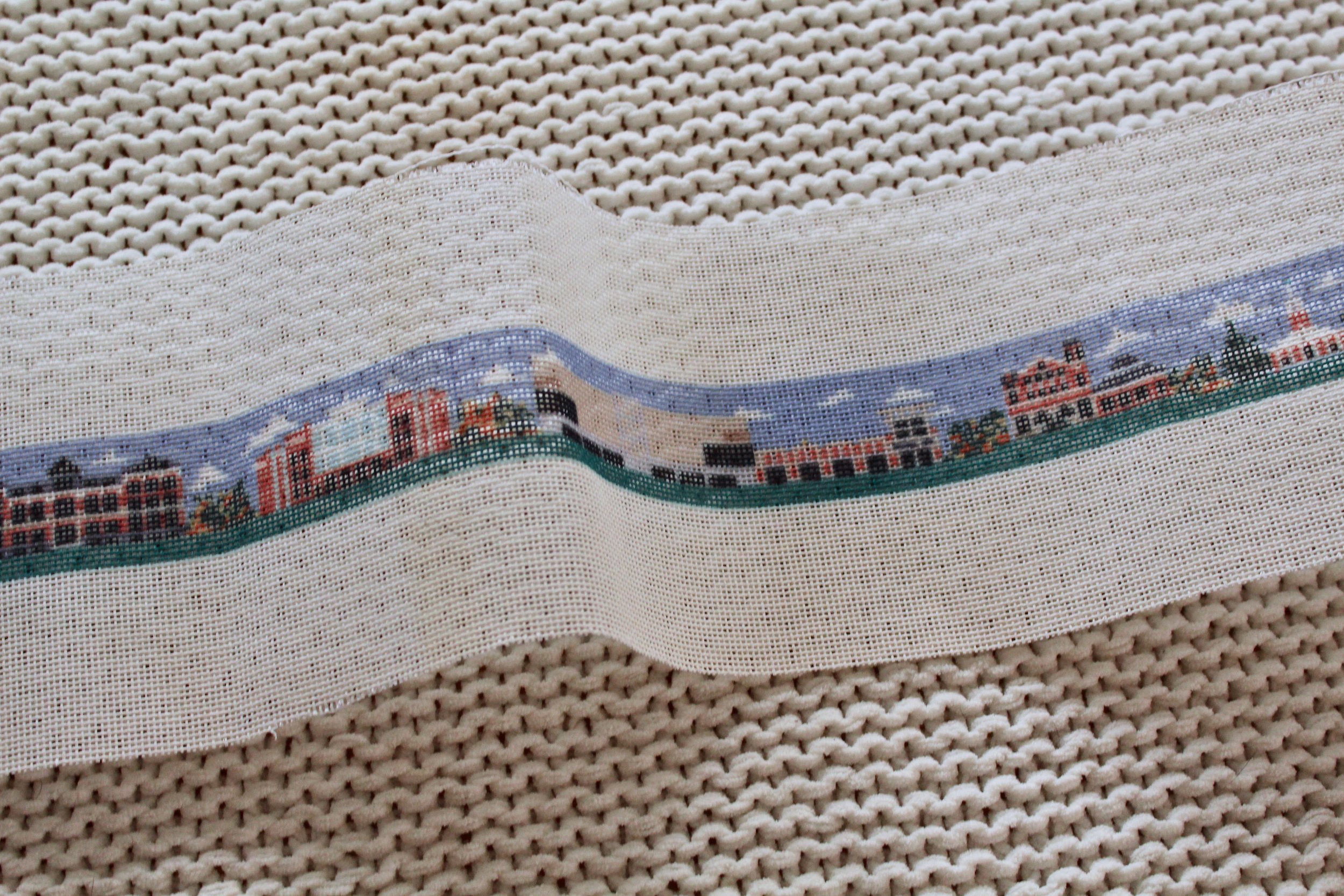
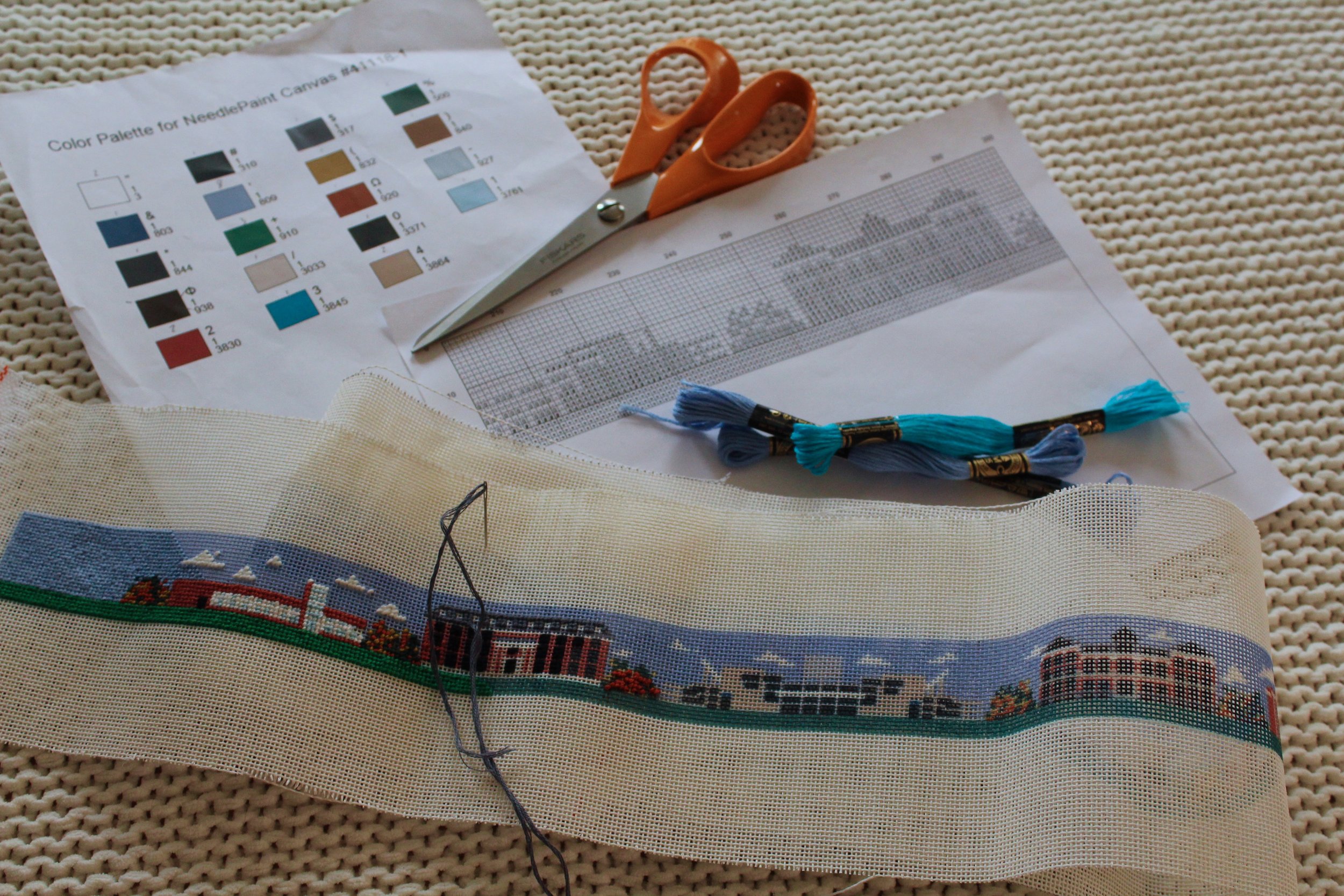
As for this project, I’ve made UK logo belts for Bob in the past, as well as a Bourbon Trail theme. This time, I went with a lovely, intricate pattern that depicts UK’s campus. Since both Bob’s law degree and his MBA are from the University of Kentucky, it seemed like both a fun commemoration and a clever way to show team spirit. I love that they combined images of older buildings like Bowman Hall and Memorial Hall with the sports stadiums — both Rupp Arena and Kroger Field! — as well as newer buildings like the WT Young Library and landmarks like the Arboretum. It really is a great design for someone who loves UK’s campus!
Now that you and your needlepoint store are on the same page about everything — the pattern, the colors, the initials, etc., there’s just one more thing to do before checkout: Measure Again!!! You’ll want to make sure you’re working with the vendor to ensure a properly fitting belt. NeedlePaint does a great job explaining their sizing system here.
Step 3: Start Stitching!
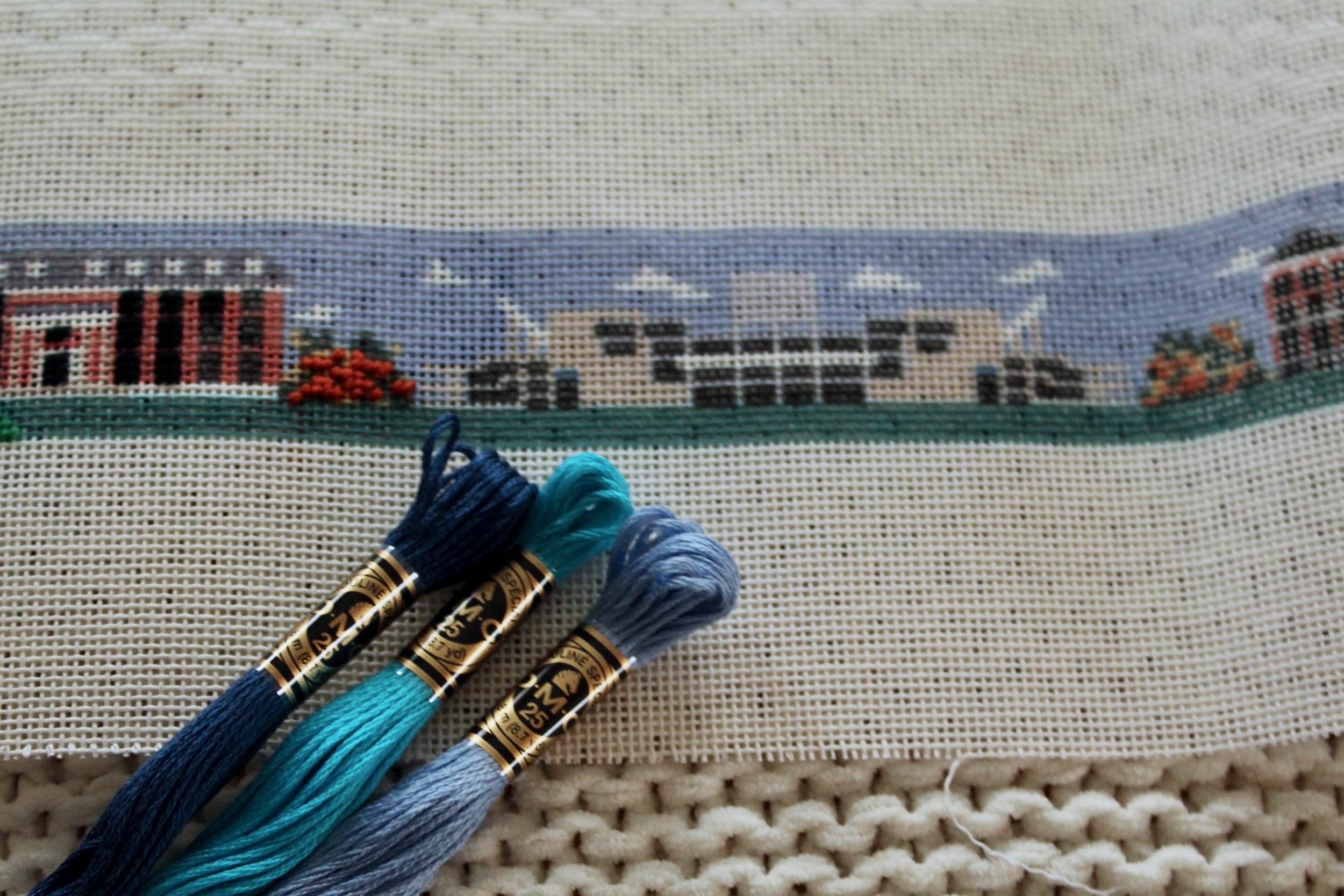
You basically are just going to do a single, diagonal stitch in correspondence with the painted design on your belt canvas. The only stitch you have to know is the continental stitch (This guide from DMC explains it way better than I ever could!), but I often add in a basketweave for stability. You can find a lot of great information on the internet, and the NeedlePaint blog has a wealth of information. I love that my NeedlePaint canvas not only has the design painted on the canvas, but also includes a full pattern that lets you know which color of thread to use on every single hole. As you can imagine, the UK campus belt utilizes several shades of blue. The pattern guarantees that I select the right thread for every stitch!!
I’ll post Part Two, How to Finish and Leather Your Belt, soon! Thanks so much to NeedlePaint for partnering with me on this project!
Let me know in the comments if you’ve ever made a needlepoint belt!